 EN
EN

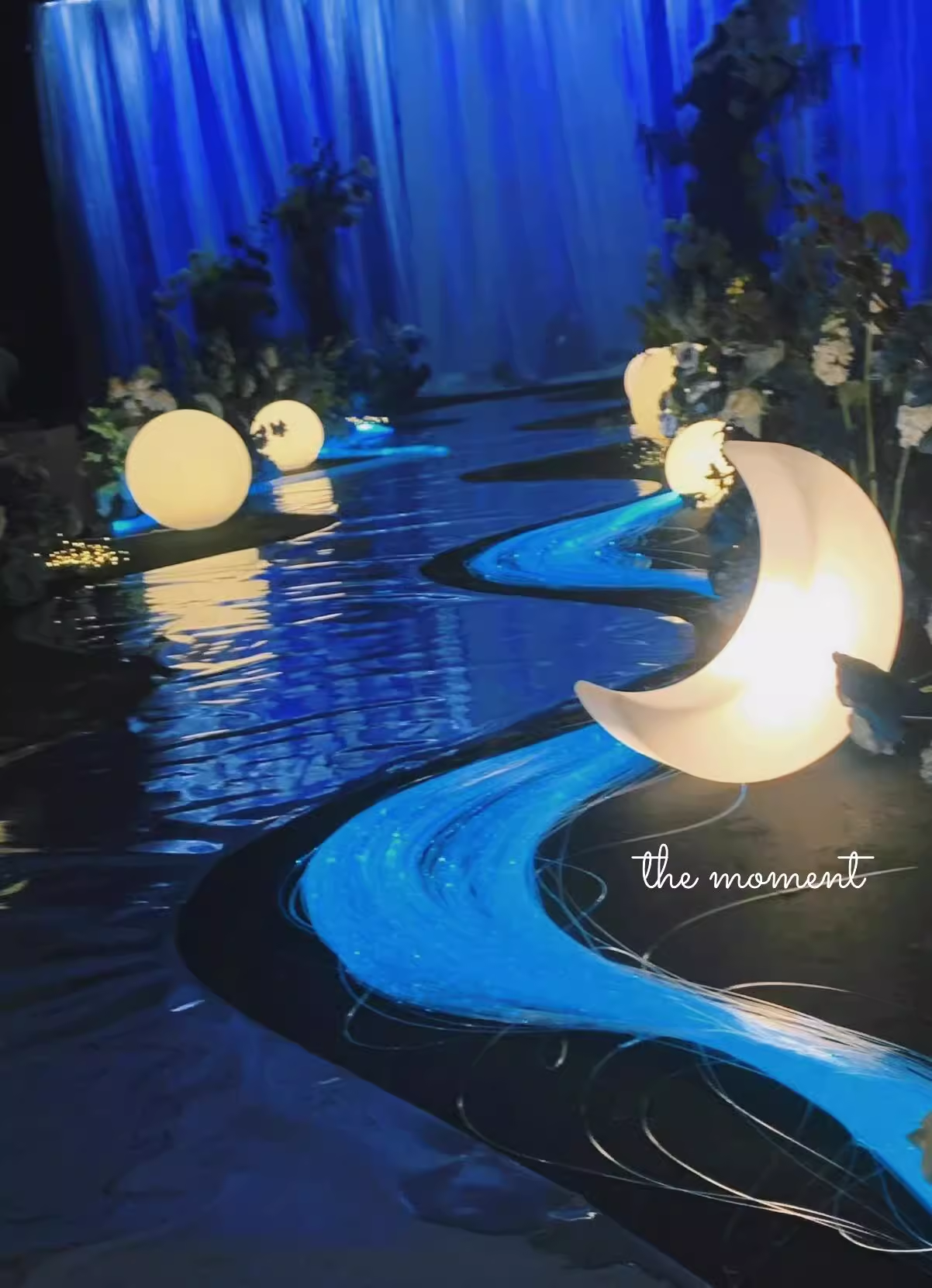
Why Waterproof LED Furniture Is Essential for Beach Parties
The Harsh Reality of Coastal Environments: Salt, Sand, UV, and Humidity
Beach environments unleash relentless forces that destroy standard outdoor furniture. Salt spray accelerates corrosion—degrading metal frames and electrical components up to 300% faster than inland conditions. Wind-driven sand scours surfaces, while UV radiation cracks plastics and fades colors within months. Humidity penetrates non-sealed electronics, causing short circuits and safety hazards. These combined stressors cause over 80% of conventional furniture to fail prematurely in coastal settings—making waterproof LED furniture non-negotiable for beach parties and long-term shoreline investments.
IP Ratings Demystified: Choosing Between IP65, IP67, and IP68 for Beach Use
IP (Ingress Protection) ratings objectively measure durability against solids and liquids. For beach use, the critical distinction lies in water resistance:
- IP65 resists low-pressure water jets but is not submersible—unsuitable for tide zones or wave splash.
- IP67 withstands temporary immersion (up to 30 minutes at 1m depth), making it viable for low-tide areas with occasional splashes.
- IP68 guarantees continuous submersion beyond 1m under manufacturer-specified conditions—essential for wave-swept zones and reliable saltwater resilience.
Avoid IP44 or lower: these offer minimal protection against sand ingress and humidity, failing rapidly in coastal conditions.
LED Tables and Bars: Spill-Resistant, Load-Bearing, and Fully Submersible Designs
Beach parties demand furniture engineered for waves, spills, and shifting sands. Top-tier LED tables and bars feature IP68-rated submersible construction, allowing safe temporary immersion without damage. Reinforced marine-grade acrylic bodies support heavy drink dispensers and food platters—up to 150 lbs—while seamless, non-porous surfaces prevent liquid seepage. Integrated drainage channels in bar designs redirect splashes away from electronics, preserving illumination during accidental submersion. Unlike standard patio furniture, these units retain full brightness after saltwater exposure thanks to corrosion-resistant circuitry and sealed LED modules.
LED Seating Solutions: Benches, Chairs, and Ottomans with Marine-Grade Polymer Frames
Conventional metal frames rust quickly in coastal humidity—but waterproof LED seating uses UV-stabilized polyethylene polymers engineered to resist salt corrosion and thermal degradation. Ergonomically molded benches embed strip lighting for ambient pathway illumination while supporting over 1,000 lbs. Quick-drain perforations in ottoman bases eliminate water pooling, and wireless charging ports remain functional even in 95% relative humidity. These units maintain color consistency after 2,000+ hours of direct UV exposure—preserving visual appeal across seasons of beach party use.
Material Science & Engineering Behind Reliable Waterproof LED Furniture
Marine-Grade Acrylics vs. UV-Stabilized Polyethylene: Long-Term Performance in Direct Sun
Reliable waterproof LED furniture relies on purpose-built materials. Marine-grade acrylics deliver exceptional optical clarity and vibrant light diffusion, resisting yellowing for over 5,000 hours of direct sun exposure—ideal for tabletops where light quality matters most. However, they can become brittle under extreme thermal cycling. UV-stabilized polyethylene offers superior impact resistance and handles temperature swings from 14°F to 122°F (–10°C to 50°C) without warping or cracking. Its molecular structure inherently resists salt penetration, though prolonged sand abrasion may cause minor surface erosion. Both materials require UV-A/UV-B blocking additives (≥99% absorption) to prevent polymer breakdown—ensuring structural integrity and consistent light output year after year.
Power, Control, and Real-World Reliability at the Shoreline
Battery Life, Solar Charging, and Wireless Control in High-Humidity Beach Conditions
Consistent power and responsive control are non-negotiable for beachside ambiance—and both face unique challenges in high-humidity, salt-laden air. Lithium batteries degrade 15% faster in coastal environments (2024 Materials Performance Report), underscoring the need for IP68-sealed battery compartments that block salt and moisture. Solar charging efficiency drops by up to 20% when salt residue accumulates on panels—making daily freshwater rinsing essential for sustained energy harvesting. Wireless systems face signal attenuation: 2.4GHz radio waves weaken by ~30% in saturated air, Bluetooth latency increases near conductive seawater, and capacitive touch controls fail if moisture breaches sensor seals. Only units validated through accelerated salt-fog testing—surviving 500+ humidity cycles with stable battery output and responsive controls—deliver dependable performance from golden hour through midnight celebrations.
FAQ
1. What is the purpose of waterproof LED furniture for beach parties?
Waterproof LED furniture ensures durability and functionality in the harsh coastal environment by resisting elements like salt spray, sand, and UV exposure, preventing premature wear or failure during beach parties.
2. What IP rating is recommended for furniture used in coastal environments?
IP67 or IP68 ratings are recommended. IP67 withstands temporary immersion, while IP68 offers resistance to continuous submersion, making it suitable for wave-swept areas and saltwater exposure.
3. How does weather impact the performance of LED furniture?
Humidity, UV radiation, and salt corrosion can degrade traditional furniture. Waterproof LED furniture with sealed components ensures resistance to these elements, maintaining performance and aesthetics over time.
4. What materials are used in waterproof LED furniture?
Marine-grade acrylics and UV-stabilized polyethylene polymers are commonly used. These materials resist UV exposure, salt penetration, and impact while maintaining durability and visual appeal.
5. How can I maintain solar-charging functionality in coastal environments?
Regularly rinse solar panels with freshwater to remove salt buildup and ensure efficient energy harvesting in high-humidity beach conditions.
Table of Contents
-
Why Waterproof LED Furniture Is Essential for Beach Parties
- The Harsh Reality of Coastal Environments: Salt, Sand, UV, and Humidity
- IP Ratings Demystified: Choosing Between IP65, IP67, and IP68 for Beach Use
- LED Tables and Bars: Spill-Resistant, Load-Bearing, and Fully Submersible Designs
- LED Seating Solutions: Benches, Chairs, and Ottomans with Marine-Grade Polymer Frames
- Material Science & Engineering Behind Reliable Waterproof LED Furniture
- Power, Control, and Real-World Reliability at the Shoreline
-
FAQ
- 1. What is the purpose of waterproof LED furniture for beach parties?
- 2. What IP rating is recommended for furniture used in coastal environments?
- 3. How does weather impact the performance of LED furniture?
- 4. What materials are used in waterproof LED furniture?
- 5. How can I maintain solar-charging functionality in coastal environments?